
2016 Jun 25
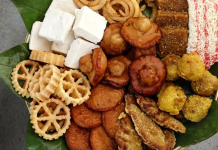
After a steady month of fasting, with no food and water from sunrise to sunset, the holy season of Ramadan draws to a close. With the end of Ramadan and the sighting of the new moon, Muslims as well as Non-Muslims look forward to the celebration of Eid, with the Muslims usually relieved that they can go back to having lunch and the Non-Muslims awaiting delicious watalappan and other treats. It would be safe to say that celebrating Eid is never a bore.
-
Join in holy prayerfulness
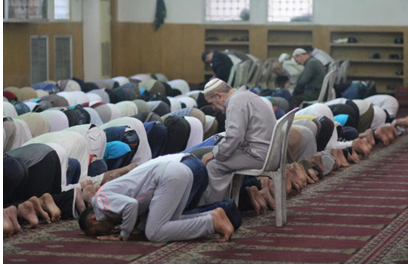
To begin the day, customary Fajr prayers are prayed and the men visit the mosque and gather for Eid prayers. Together, as one, Muslims pray and take heed of the sermon and preaching of the Imam. Thereafter, families reunite at home to enjoy a hearty breakfast.
-
Togetherness at the first meal of the day
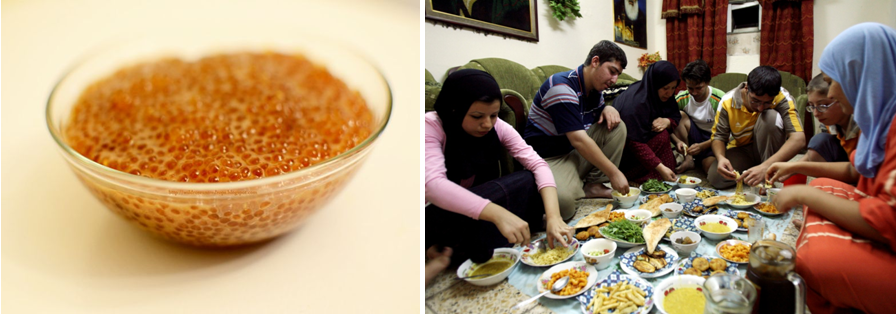
Usually, the traditional breakfast we enjoy every Eid, is string hoppers with delicious bowls of chicken curry, potato curry, sambol and the occasional pittu and coconut milk. This breakfast always takes place at my aunt’s home and never fails to be absolutely delicious and filling. Conversations are exchanged while some eat slices of cake, while others devour sago pudding. The only trouble is leaving room for the massive lunch to follow!
-
Biriyani and Watalappan are rarely absent
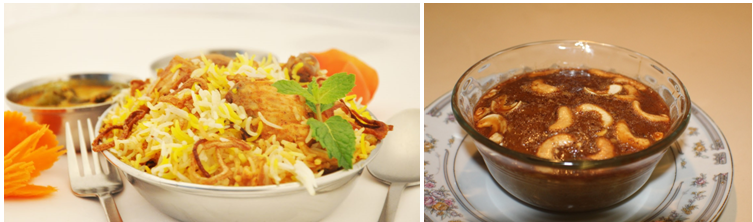
Before every Eid, I am always asked by someone for Biriyani, Watalappan or both. Sadly, there’s never anything left for me to take back for my friends. Eid lunches are my absolute favorites, not only because of the mouth watering Biriyani, but also due to the fact that it brings my entire family together. You are updated on the latest gossip and family news and it is never a dull occasion. Biriyani, with a piece of roast chicken, some peas and cashews and a slice of sweet pineapple, is always such a delight.
-
The joy of gift giving and receiving
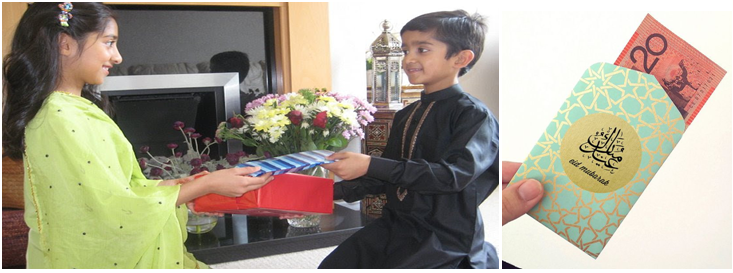
The norm is for aunties and uncles to gift the children with new clothes and Eid outfits. However, it is also not out of the ordinary for them to gift us with money, which is, let’s admit, what we all would prefer. My little nephew gets an average of Rs. 5000 during Eid. The kid’s probably richer than I am.
-
Visiting friends and family
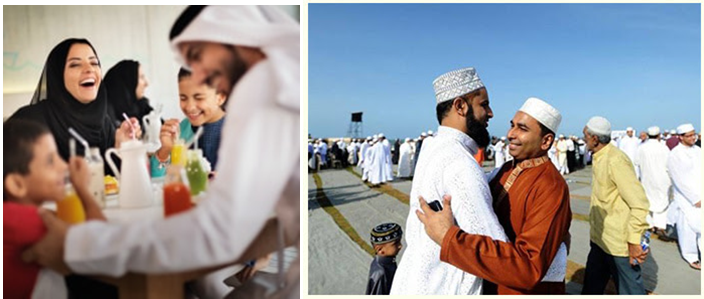
Let us not forget the visiting. This means going to as many relatives’ homes as well as homes of friends and at the end of the day, that most definitely is not a small number. You need to go to your dad’s siblings homes (which could average up to 3 to 4 homes). You need to go to your mom’s siblings homes (also, just as many). You need to go to the homes of both your parents’ first cousins AND certain houses of their second cousins. Mind you, you must eat and drink at each of these homes, or face accusations of being, “Not nice”, “Must be on a diet” and/or, “Being shy”. Trust me, the food’s good, but eating all that ain’t easy.
-
The less fortunate are not forgotten
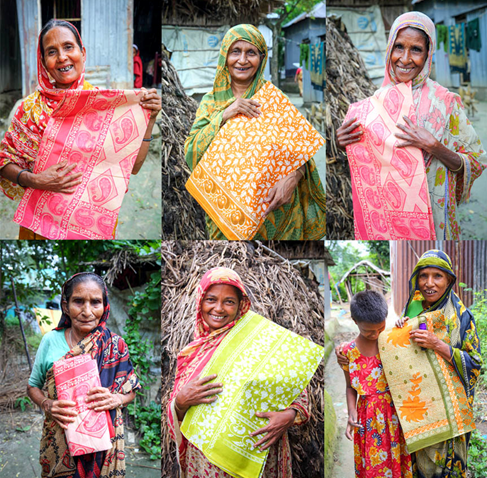
One of the basic values of the Muslim community is feeling empathy for the poor. Tradition of alms giving and contributing to charitable donations to the poor and needy are upheld. Usually, Zakat is given in the form of money and clothes to the less fortunate. It is always heartwarming to see how grateful they are for the mere spirit of giving.