2017 Aug 4
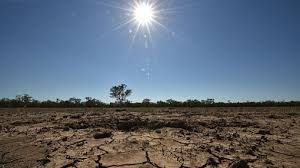
On July 30, the Disaster Management Centre (DMC) of Sri Lanka reported that the drought-hit toll in Sri Lanka had hit over one million. People in the North and East in particular have been severely affected by the ongoing drought crisis. These people have to travel miles upon miles, for hours at times, to find a drop of water to drink.
As the saying goes, you don’t know what you have until it’s gone. In light of the prevailing crisis, now seems as good a time as any to reflect upon the importance of drinking water and take a moment to appreciate this gift of the gods.
The United Nations (UN) considers universal access to clean water a basic human right. Still, a significant percentage around the world is deprived of this basic human right.
What does the drought really mean for us as Sri Lankans?
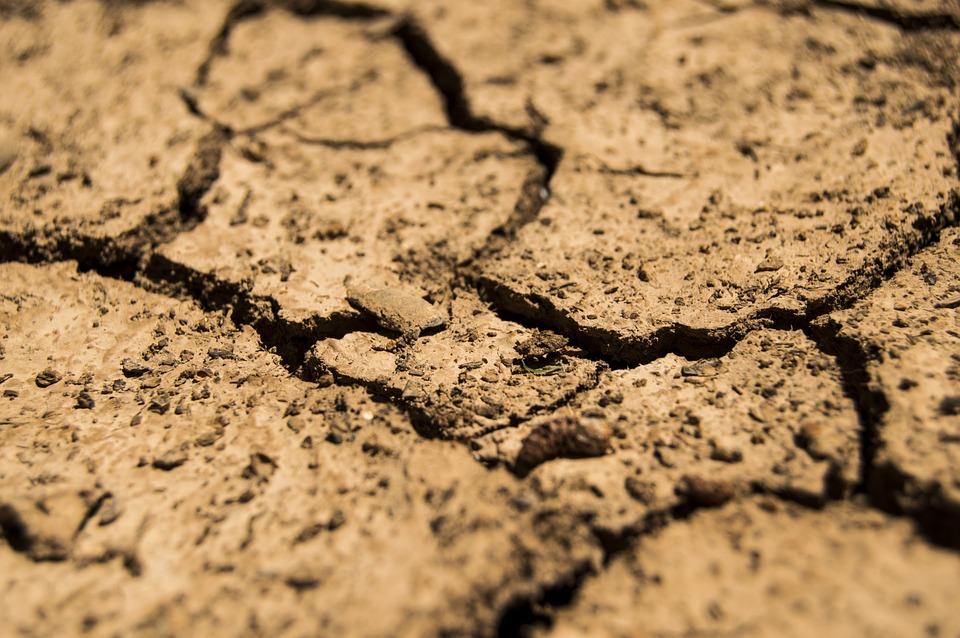
- The agricultural sector has been severely affected.
- There may be a shortage of food due to fall in harvest.
- Incidence of diseases caused by lack of clean water may skyrocket.
- Hydropwer generation has taken a hit from the drought. This has compelled us to resort to operating the seldom-used, expensive and environmentally-unfriendly diesel power plants. Power supply may also be interrupted if power generation can’t be stabilized.
- The Government has allocated more and more funds to provide for those affected by droughts.
Let’s take a look at some global numbers:
While nearly 70 percent of the world is covered by water, only 2.5 percent of it is fresh. The rest is saline and ocean-based. Even then, just 1 percent of our freshwater is easily accessible, with much of it trapped in glaciers and snowfields.
Out of this meager 1 percent of accessible fresh water, an increasingly large percentage is deemed impure and unsafe for drinking.
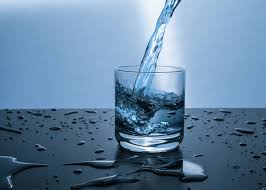
The UN estimates that each person on earth requires access to a minimum of 20-50 liters of water a day for drinking, food preparation, and personal hygiene purposes.
88 percent of deaths from diarrhea are caused by unsafe drinking water, inadequate availability of water for hygiene, and lack of access to sanitation.
844 million– one in ten – people worldwide do not have access to clean water.
289,000 children under 5 die annually due to diarrheal diseases caused by poor water and sanitation.
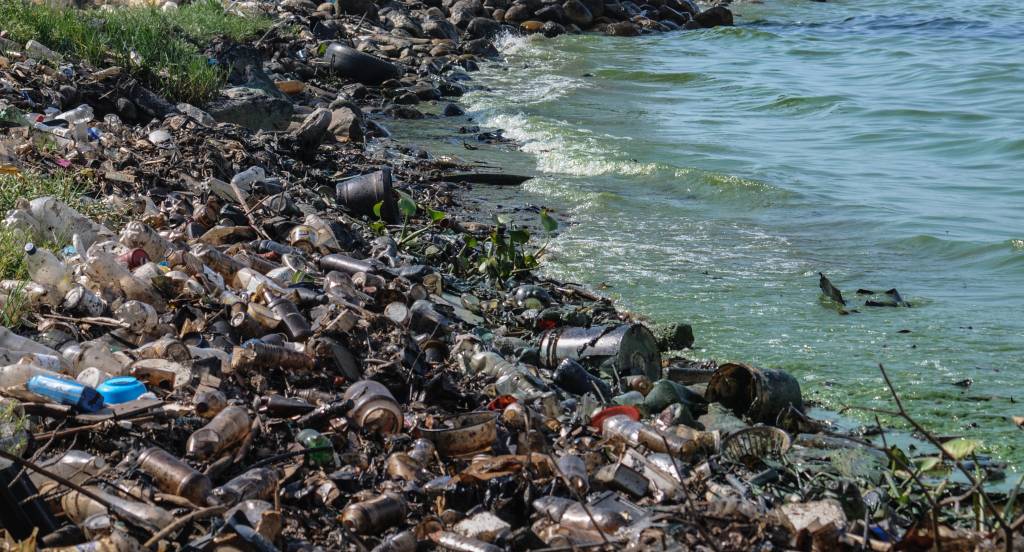
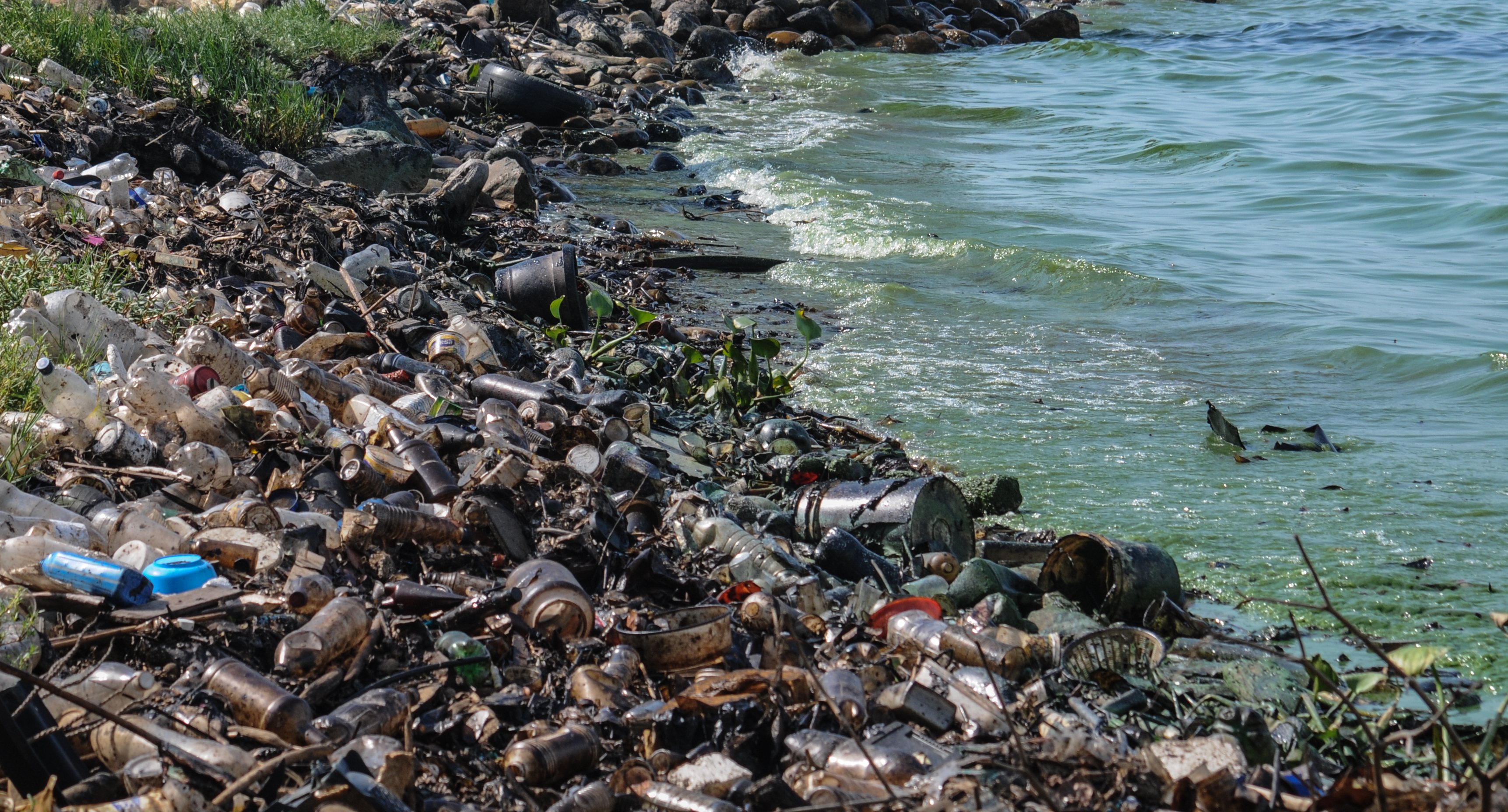
2 million tons of sewage and industrial and agricultural waste across the world are discharged into water bodies daily.
1,500 km3 is the estimated amount of wastewater produced annually.
***
Those of us who are fortunate enough to have access to drinking water can’t rest with ease just yet either. The water we access, invisible to our naked eye, is contaminated with all kinds of pollutants.
Contamination of water can occur at the source of the water, during distribution, and storage. Microbes and chemicals derived from agriculture, industries, animal waste, and natural pollutants make water unsafe for drinking.
Cholera, Amoebiasis, Dysentery, Diarrhea, Hepatitis A, lead poisoning, Arsenicosis, intestinal worms, and Typhoid are some common diseases contracted through unsanitary water.
Upon contraction of these diseases, you’ll suffer from numerous symptoms such as fever, vomiting and physical discomfort. It’ll cost you a good buck to medicate yourself and recover. And that’s if you’re lucky. Some of these diseases can be fatal, and may just end up being the cause of your untimely demise.
Therefore, make sure to boil AND filter your water before consumption. We must be responsible for our own health and well-being, and be proactive in safeguarding ourselves against such diseases.
After all, better safe than sorry, right?