
2016 Oct 5
by Azraa Killru
When a beggar approaches you on the road, the first thing that pops up in your mind is whether they are trustworthy. Why then, don’t you ask yourself this question when reputed charities ask for donations? The requests come through descriptive posts, emotional videos and causes varying from humanitarian needs to long term sustainable projects. This article does not intend to discourage you from supporting charities, but rather to alert you on the many scams and misuse of funds that may take place at every level of the hierarchy before your money actually reaches the intended recipient (if at all).
With so many things to spend on and prices sky rocketing all the time, tearing yourself off a little bit of cash to help the needy is not a very easy task. It’s admirable and without the support of generous individuals as such out there in the world, it would indeed be a bitter place to live. That is exactly why it is necessary to get the facts straight and make informed decisions regarding which charity you ought to donate to and what steps you can take to ensure your contributions don’t go to waste.
What you need to know:
- Registered charities
In all honesty, this doesn’t matter. Yes, it does give you tax benefits if you donate to approved charities but besides that, whether the charity is a registered one or not doesn’t really make a big difference as long as you know you can trust the ones running it. The registration process to establish a NGO is horrendous and time consuming. Given that, it is not uncommon to find smaller charity organizations implementing projects on a small to medium scale with the help of personal contacts and local volunteers while working on the registration process.
So, if someone approaches you for donations, the first thing you need to ask is not whether it is a registered charity, but to look at the projects they have conducted prior to this. Look for evidence. A website, pictures and testimonials are ideal places to begin with. Focus on their social media presence because it is difficult to have, for instance, a Facebook page without comments, both positive and negative, reviews and other useful indications from netizens which can give you all the information you need to determine their credibility. If the pages are empty or outdated, be weary and seek other methods to check their authenticity. The reason why it’s important? Charities know social media is a must-have platform to connect with everyone, especially to build awareness or attract support, financially or otherwise. Knowing this, if a charity organization forsakes social media presence, it’s something to think about.
- What’s the event?
From fighting against domestic violence, saving dogs; from dengue prevention to medical assistance, the causes are varied and intense. Every need is emphasised, every picture thought-provoking and every description heart wrenching to persuade you to donate a few hundreds at the least.
When you donate with the intention to benefit someone, you need to know how your contribution will be used. Is it for the actual cause or for the ancillary service? Is it for the cake or the decorative frills that don’t really matter? If you donated for meals to the needy, does your money go into preparing the food or is it used to print some pamphlets to promote the particular event of feeding the needy? You donate for school books for deprived students – is the donation used to purchase stationary or to pay for the photography covering the event?

Point is, if it matters to you, then you need to do more than just give away the money. If you are satisfied supporting the cause and don’t mind the charity using it as they deem fit (not being misused, of course), then chill, no problem there. But if you are one of those who really care about what your money was spent on, you can always be specific when you donate. Responsible charities will be accountable.
- Is it a useful cause or a promotional activity?
There are four main classification of events a charity conducts: an actual philanthropic event (e.g. feeding the orphans, paying the medical bills of a poor patient, offering free lessons, renovating a home, etc.), awareness programmes (e.g. seminars, training, speeches from professionals in different areas of interest, etc), fundraisers (a charity sale, a walk, shows and events organized for fundraising, etc) and lastly the promotional events.
Any of the other three, if organized well and publicized, then it does prove to be a promotion on its own but certain events are planned and executed with the sole purpose of promoting the charity organization. In such cases, the promotional intention is skillfully camouflaged with the idea of “making the deprived happy”. A colossal event organized with weeks and weeks of volunteer time put in, large corporates chip in with their sponsorship to win banner space and media spotlight, the organizers pose for the press and hopefully win awards and accreditation for their noble work. Definitely uplifting for the philanthropic personalities and motivating for those who aspire to shine in their noteworthy accomplishments.
But, but, but, this doesn’t mention any needy being benefited, does it? That’s what it is all about. They are not benefited. Perhaps a few needy people are brought in for the event, given gifts for participation, maybe a good meal, but yes, that’s where their benefits end. They merely act as a showcase of the cause rather than being given any worthwhile support. This is a clear misuse of the needy, affected and the disadvantaged for the gain of so called charitable organisations in pursuit of “philanthropic glory”.
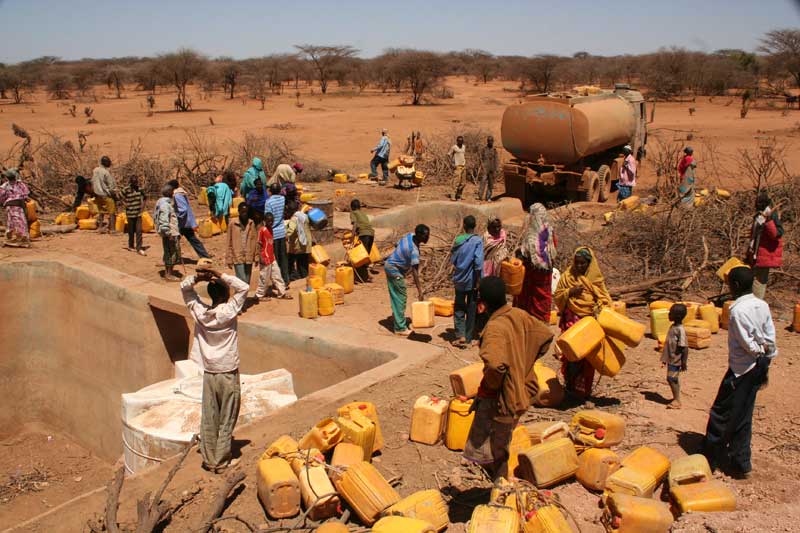
You might not want to deal with established charity organizations considering all the above factors but their effectiveness is proved during humanitarian crises. They have the knowledge, resources and capacity to handle the needs and pleas for help. In such occasions, reaching the affected via them is the smartest option. But if you ever crave to connect to another person undergoing a hardship and offer them compassion, the ideal route to get it done is by personally finding out people who require assistance and fulfilling their needs. No intermediaries to use your funds as they wish but direct help to those who really deserve it. As they saying goes, “small is beautiful”. Do what you can with what you have. If you make a difference in one person’s life, it is an incredible feat.