
2015 Sep 11
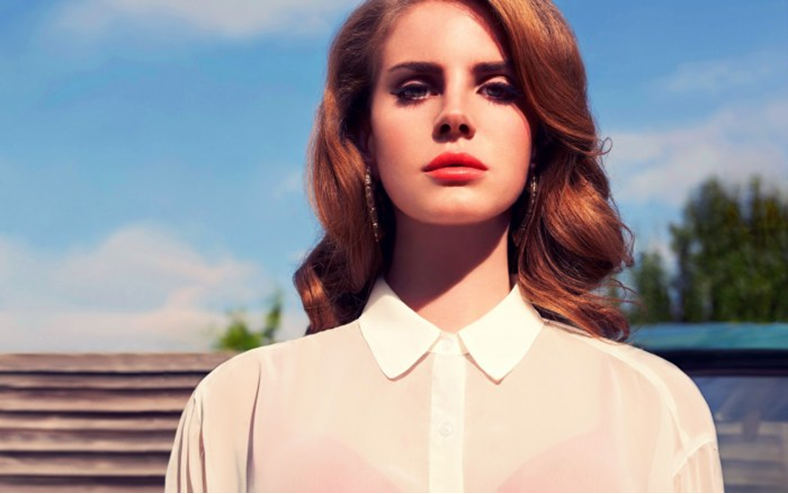
Queen of “Gloom pop” and heartbreak, Lana Del Rey’s music has been dominating the music scene ever since her transition from “Lizzie Grant” in 2009. Her music dwells on the theme of heartbreak and the pain associated with it. She told America’s Vogue magazine: “Even though I can’t be with that person anymore, I still want to honour those memories. I felt like falling in love changed me, neurologically and the record is about being faithful in my mind to the memory of that particular person”. The 25 year old singer is popular for her award winning single “Summertime Sadness” peaking at number 6 on the Billboard Top 100 alongside “Born to Die” and “Blue Jeans” making her upcoming album “Honeymoon” one of the most awaited albums of the year.
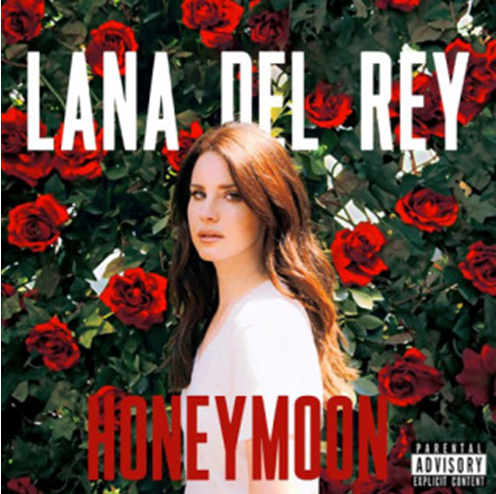
(“Honeymoon” scheduled to release 31st January 2016)
Success aside, Del Rey’s music stirs up quite a controversy due to its content and themes. Her music although beautiful, is toxic for those who can actually relate to the words; Her advice isn’t empowering, instead merely acknowledges the immense pain felt during heartbreak and instead of encouraging positivity she prolongs this melancholic mental state and concedes helplessness. Her pro suicide messages in her music are psychologically harmful to the younger population who may assume this to be the norm, furthermore her overt references to drugs and alcoholism as a way she coped with heartbreak during her teenage years prove even more destructive. These ideas are further reinforced in her music videos where she desperately clings to a male figure in a hopeless attempt to make him stay. Her music enforces stereotypes of women being vulnerable and dependant, pushing back the equality fights several decades behind.
“She’s great, but I listened to that Lana Del Rey record and the whole time I was just thinking it’s so unhealthy for young girls to be listening to, you know: ‘I’m nothing without you.’ This sort of shirt-tugging, desperate, doesn’t leave me stuff. That’s not a good thing for young girls, even young people, to hear.” – Lorde
When questioned, Lana Del Rey regards feminism as “boring” but later states that her “idea of a true feminist is a woman who feels free enough to do whatever she wants.” In this sense, the modern day “Winehouse” is then justified for her actions as she doesn’t conform to the usual self denial of the pain associated with heartbreak and instead chooses to elevate it, which she does effectively through her low range melancholic notes. Her music is best described as 1920’s Smokey bar tunes recorded in a church, bringing out essence’s of music legends like Nirvana and Amy Winehouse quite successfully whilst maintaining her own uniqueness along the way.
The truth is that with so much other corrosive influence in the media today bringing in far more harmful messages to hinder self empowerment as well as women’s rights, is Lana Del Rey our biggest concern? Her expression of distress in her music may even be considered cathartic by listeners and in effect, motivational and empowering; feeling like your emotions are being put to words. Further, her utmost raw talent that can be seen through her live performances is inspirational in every effect indicating the benefits of hard work and perseverance.
by Akansha Naraindas