
2026 Oct 9

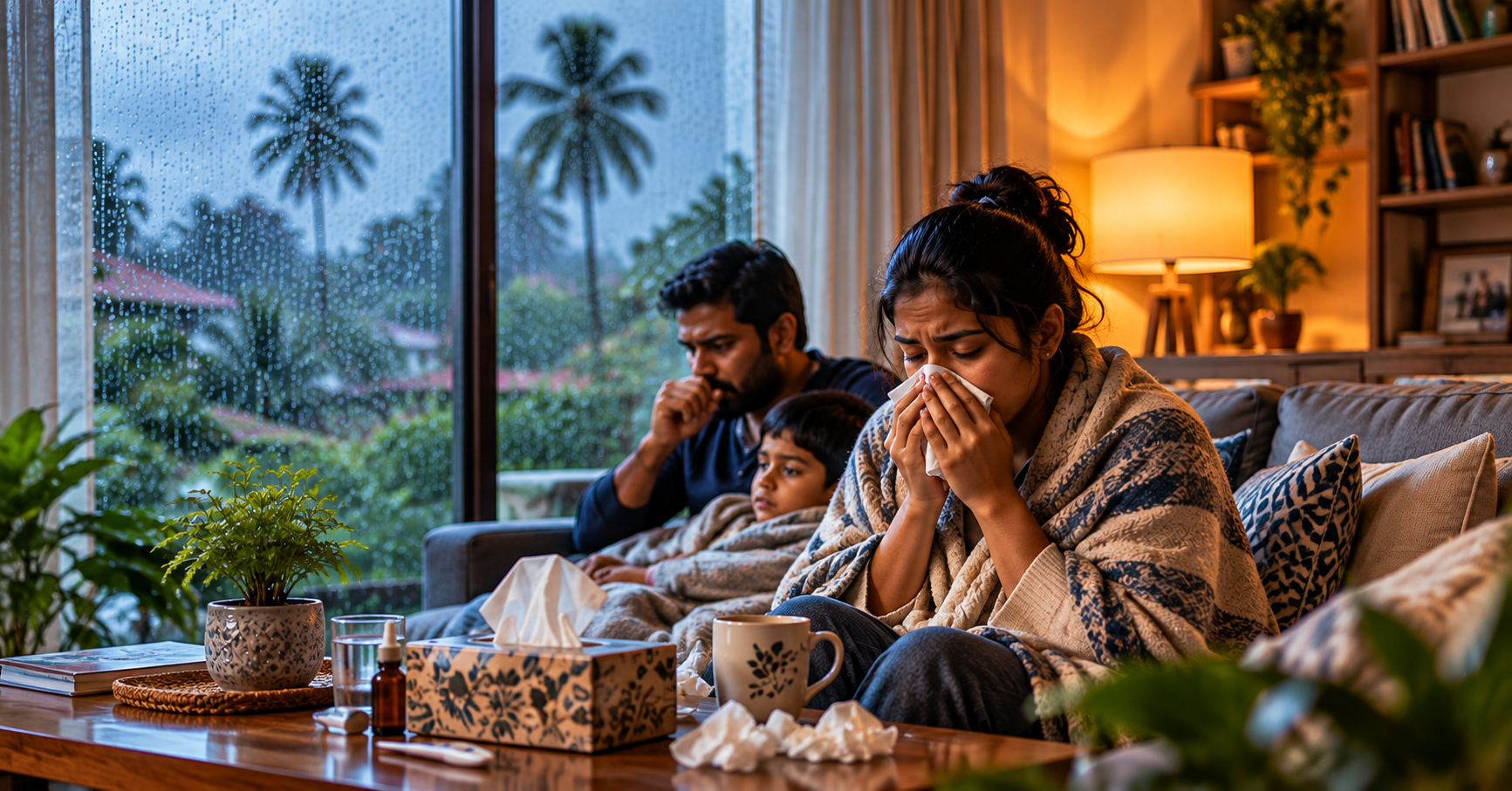
When the skies turn grey and the rains arrive in Sri Lanka, so do the familiar signs of flu season. A runny nose, sore throat, cough, or fever are often brushed off as “just a cold”. But influenza, commonly known as the flu, is different from the common cold. While both can affect the respiratory system, the flu tends to come on more suddenly and can leave people feeling much more unwell, with symptoms such as high fever, body aches, extreme tiredness, and persistent cough.
For most healthy adults, the flu means a few uncomfortable days of rest and recovery. However, unlike the common cold, influenza is closely monitored by health authorities around the world because the virus is constantly changing and spreading across communities through seasonal patterns and travel.
Sri Lanka’s understanding of influenza was significantly strengthened during the 2009 H1N1 pandemic.[1] The country’s public health system responded swiftly, helping to slow the spread of the virus through coordinated surveillance, clinical management, and preventive measures.[1]
One important lesson from that experience remains relevant today: influenza does not affect everyone in the same way.[1] While some people experience only mild symptoms, others may face more serious illnesses. That is why flu season should be managed with awareness and preparedness.
Understanding how flu viruses spread can help us take simple steps to protect ourselves and the people around us, especially people with co-morbidities who may be more vulnerable to complications.
Coming up in Part 2: Why can the flu affect pregnant women differently? We explore the changes that occur during pregnancy and how families can help keep expectant mothers healthy during flu season.
References:
Epidemiology Unit, Ministry of Healthcare and Nutrition, Sri Lanka. Can we relax in the post pandemic period of the Novel Influenza A (H1N1)? Wkly Epidemiol Rep. 2010;37(39):1-2.
Disclaimer: Issued in public interest, for which the speaker has been engaged on behalf of Abbott. Content is based on scientific references available on file. Nothing in this article constitutes or implies medical advice, prescription, promotion of any medicinal product or recommendation of any kind. For more information, consult your doctor. Any liability is disclaimed.