2015 Oct 8
by Anuki Premachandra
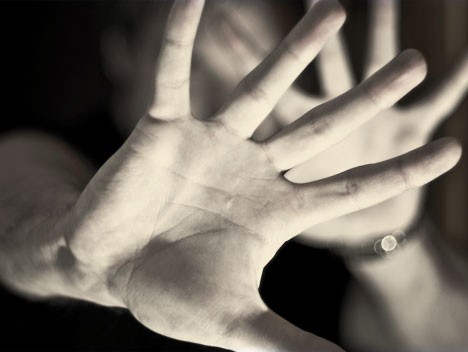
The physical pain, the emotional trauma, the mental torture. The scars that aren’t visible; hurt the most. The sanity and innocence slowly dying with every glace, touch and push. Globally, 1 out of 3 women, experience Gender Based Violence; 1 out of 4 females in Sri Lanka are sexually abused before they reach 18; 700 million women alive today were married before age 18. These aren’t numbers, these aren’t statistics, these are lives. Lives of many victimized, shattered and abused.
Violence isn’t the answer, it’s the problem. It’s not the tool to curb the problem either. What exactly is Gender Based Violence? A lot of us are under the impression that GBV is just violence against women. It’s not. Gender, Onalie De Silva Ariyabandhu, Social Change Entrepreneur, United Nations Population Fund, tells us, “is what we believe as someone to be masculine or feminine, and what society has imposed on them.” Domestic abuse, sexual harassment, mental and emotional abuse, cyber-crime, street harassment, all fall under the topic of Gender Based Violence. The misconceptions that GBV is violence against females and only sexual harassment need to be cleared for people to have a proper understanding of the issue, which sadly, is a prevailing problem in Sri Lanka. Chapter III of the 1978 Constitution of Sri Lanka sets out Fundamental Rights, which ensure for example nondiscrimination on the ground of sex (and other specified grounds), which can be used in responding to violence against women in keeping with provisions in Article 12 (2) which reads ‘no citizen shall be discriminated against on the grounds of race, religion, language, cast, sex, political opinion, place of birth or any such ground.’ The constitution tells us that it’s not fair, just or right to physically or mentally harass another. It tells us it’s a crime, punishable by law. We as individuals in a cultured country, are morally bound by religion and ethics. But why do we see/hear/talk about stories of others who have gone through the pain of being abused. Why do we cringe and feel shivers down our spines when our friends tell us their stories, about how they’ve been abused and the pain they are forced to live with. The smile they put on their faces, even though on the inside, they feel shattered and broken, knowing they can never be fixed again; never smile the same.
This is why the UNFPA 100 voices initiative was born. “The 100 voices UNFPA – leading for change was a signature product that I designed with the resources that the UNFPA gave me,” said Onalie. We read about it. We see it in the papers, on the news, we talk about. We nod our heads in disgrace and disgust. But what are we doing about it? Are we doing enough about it? The UNFPA 100 voices campaign was born as an answer to these two questions. Onalie told us that “It was introduced to give the youth of today, a voice and a platform to act against GBV.” The 100 voices campaign began as a small thought, a thought that led many individuals towards change, a change that created awareness and encouraged many to stand against violence in all its forms.
The campaign started off as a social media campaign where individuals would out up picture posts on their thoughtson GBV along with the hashtag #100voicesunfpa. The next stage of her campaign was to get youth networks involved to help engage as many platforms of young people, to raise their concern against GBV. This brought together many youth platforms like Sri Lanka Model United Nations and Academy Of Design to partner with the UNPA to launch their own projects in light of this issue.
The Academy of Design partnered with the UNFPA for the launch of their Art and Design Exhibition where they presented the issue pertaining GBV through art and design. “As designers, we feel that it’s easier and more understanding to present this issue visually,” said Chavini De Silva Ariyabandhu, a member of the AOD student council and the spearhead of the 100 voices AOD project. They visually represented the idea of “Breaking Free” from being abused or harassed. You are the puppet, you have the potential to break away from your puppeteer if you are being abused mentally or physically. You have the power to voice out against the wrong, the injustice.
Onalie is proud to see the success of her little thought, a little thought, a small step that changed and impacted the lives of many. UNFPA is one of the UN’s lead agencies working to further gender equality and women’s empowerment, and to address the physical and emotional consequences of gender-based violence. But the fight isn’t over. It’s just the beginning. 100voicesUNFPA and Beyond100voices, an initiative recently launched that was inspired by the 100 voices campaign are ready to lead individuals and communities in Sri Lanka for the change they wish to see in the country. Pain has no gender, only consequence.