
2016 Jul 29
By Vandana Hiranand
Easily one of the most common diseases in our country, dengue is once again at an all-time high in Sri Lanka. During the past 7 months of 2016, an estimated number of 26,690 dengue cases have been reported island-wide, according to the Epidemiology Unit at the Ministry of Health. The risk of contracting this serious disease is soaring, and staying safe is of utmost importance. That said, there are several ways to keep you and your family protected. Let’s examine these closely below.
- Know your Symptoms
The onset of dengue tends to be very similar to the common flu, so it can be easily mistaken for a viral infection. While having this knowledge may not prevent a dengue attack, early detection can help immensely and lead to early recovery, saving you a whole lot of trouble and certainly decreasing the severity of the attack.
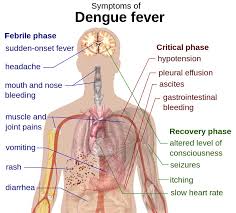
If you have contracted dengue, your first symptom will be an exceptionally high fever, coupled with severe headaches, fatigue and nausea. So what sets these symptoms apart from those experienced during a viral infection?
During a dengue fever, the symptoms are accompanied by severe joint and muscle pain, which are present for several days. The high fever is persistent and results in a generalized pain throughout the body. Other signs include a strong pain in the patient’s eye sockets. Additionally, you may experience nosebleeds, bleeding gums and skin bruising. All such signs are due to the sudden decrease in your platelet levels within the body. An important point to note: if you have typical flu symptoms such as sneezing and coughing, you are most likely to not have dengue.
So keep an eye out for these particular signs. An early diagnosis could save a life!
- Prevent mosquitoes from coming into contact with your skin
Undoubtedly, prevention of direct skin contact will greatly decrease the chances of contracting dengue. Here are the most effective ways to do so:
- Apply mosquito repellent on your skin whenever possible. The chemicals contained within these repellents act as a poison which camouflages a person’s natural odor, preventing mosquito bites.
- Wear long sleeved clothing if possible. In our hot and humid Sri Lankan climate, this can be difficult to do often. However, the advantages may outweigh the discomfort. It’s always better to be safe!
- If someone within the household has already contracted the disease, it is twice as important to prevent any mosquitoes from biting the infected person, along with the other family members. If not, this will inevitably lead to spread of the disease.
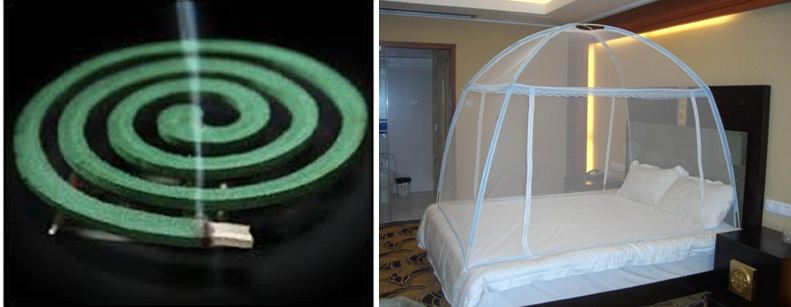
- Sleep under mosquito nets. As annoying as they may be sometimes, mosquito nets are highly effective. If you have kids at home, this is especially useful. Since we are least aware of possible mosquito bites during the night, mosquito nets can be very helpful.
- Keep windows and doors closed at peak times. In our country, this generally entails the evening, from 5 P.M. onwards, since mosquitoes are particularly prevalent during these hours. Additionally, unless your windows are well netted, keep them closed at night! This may be especially due to the heat, in which case it is better to opt for netting of certain windows and airways throughout the house.
- Not to forget, the most popular: our timeless Sri Lankan methods of dengue prevention, which include mosquito coils and our electric mosquito zappers, fondly known as the mosquito-killing, electrifying tennis rackets. However, it is advised not to light these coils for long periods of time, due to the harmful gases released. So be careful, the timeless methods may not always be the best!
- Prevent breeding grounds from forming
Taking steps to reduce the breeding grounds available is the best way to protect your family and neighborhood from the threat of dengue
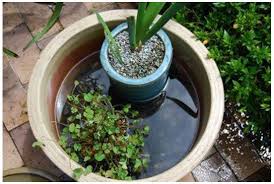
- Overturn any buckets of water in the garden or inside the home. Stagnant water is the perfect breeding grounds for mosquitoes, so always make sure that any open water is either emptied or covered. Don’t forget to empty the vessels in your kitchen as well.
- Clean out empty flower pots and do not excessively water them either.
- Make sure your dustbin is covered when not in use. If the garbage collectors seem to be getting late by a few days (which is definitely not rare in Colombo), make sure to store your garbage efficiently, and always keep it covered until it can be disposed of.
- Clean out any stagnant drains in the neighborhood. This is the best way of keeping your community safe.
- Use natural remedies
Rather than excessive use of chemical mosquito repellents, here are some ways in which you can prevent the spread of dengue:
- Citronella oil: easily the most common method used in Sri Lanka. Extracted from citronella grass, it effectively repels mosquitoes when applied on bare skin.
- Planting of trees: contrary to what you may have heard, the right kinds of shrubs and trees can keep you safe from mosquitoes. Planting of a basil or mint plant at the entrance of the house has proven to be highly successful.
- Kohomba/ Neem oil: this is an antibacterial, antifungal and antiviral agent, perfect for warding off and even killing mosquitoes. A mix of kohomba and coconut oil can work wonders.
- Garlic: rather than for warding off vampires, garlic has proved successful at driving mosquitoes away. The strong, pungent smell of crushed and boiled garlic is a simple and cheap remedy.

And there you have it! Taking some of these precautionary measures can help minimize the spread of one of the most deadly diseases in our country. We all know at least a handful of people who have suffered through extreme dengue fever. The epidemic doesn’t have to last very long, if we focus on keeping our homes and neighborhoods safe!