


2017 Sep 25
In the list of uncomfortable dinner table topics, Sexually Transmitted Diseases/Infections (STDs/STIs) have always been on the higher end on the spectrum of awkward conversations you want to avoid. While we’re all secretly hoping we never have to sit through one of those lectures and that Google has all the answers, the lack of awareness on this subject has a deleterious effect on sexually active youth. In the hopes you’re never on the unpleasant end of having to wonder whether you’re positive or not, this article will attempt to shed light on some of the must-knows for everyone out there down to a get a little dirty. In a safe and STD free way, of course.

1. What are STDs?

STDs are infections and diseases that are passed from one person to another through sexual contact, and they’re most often a result of bacterial infection, viruses, parasites and yeast. Almost any oral, anal, and vaginal intercourse or contact is usually sufficient to pass on any disease.
You can’t contract STDs through toilet seats, touching, hugging etc. although certain diseases can be passed through kissing.
2. Who’s at risk?
While STDs affect both men and women, experts believe that it is the latter that often suffers the most severe cases, especially if the woman affected is pregnant at the time, given that STDs can be passed to the foetus through an infected birth canal.

If you’re pregnant, it is highly recommended that you undergo the necessary tests to ensure that you’re in the clear, and thereby prevent risking your life and the life of your unborn child.
3. What symptoms can I expect?
The danger factor is that most STDs are often symptomless leaving those affected in ignorant bliss, and rearing its head much later on.
If it does show, symptoms vary across different diseased including chlamydia, syphilis, HIV, gonorrhoea etc. and include signs such as painful bowel movement/urination, fever, genital itching and discomfort etc.
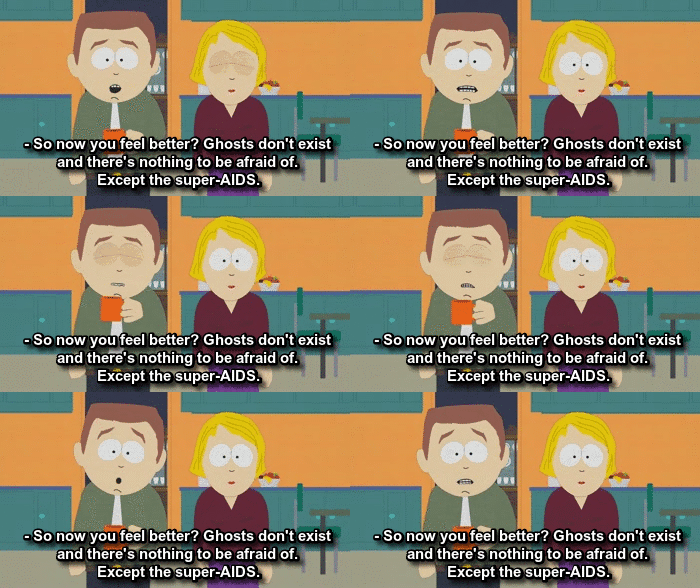
Like all illnesses, it is best to consult a doctor and confirm your diagnosis. Relying on Google for a diagnosis for your random rash or itch is unreliable, and you’ll often find yourself preparing for your impending death after a quick glance through WedMD. *hehe*
4. Do I have anything to worry about if there are no symptoms? Will they go away by themselves?

Be proactive about your sexual health and wellbeing, and if you are sexually active take the necessary precautions of getting yourself tested if you have any doubts. While symptoms may not show themselves or seemingly affect your day to day life, leaving them untreated is unwise. Left untreated you are at the risk of developing a range of conditions such as infertility, certain types of cancers, urinary tract problems etc. Certain STDs can even cause death.
5. What can I do to stay safe?
While there are many things one can do to stay on the safe side, the simplest answer here would be to avoid unprotected sex. Condoms are not just useful in terms of preventing pregnancies, but also in preventing the transmission of STDs.

Further, have open dialogue with your partner about previous experiences and make sure you’re both equipped with all information necessary to take appropriate measures. Consult experts on any other preventative measures you can take to prevent infection.
6. From where can I get more information and/or get tested?
Fortunately, Sri Lanka has a few facilities that test patients as well as provide them with comprehensive information on sexual wellbeing and health.
-
National STD/AIDS Control Programme under the awning of the Ministry of Health

The programme offers a range of services not limited to testing and treatments for STD/AIDS. Education on sexual well-being, as well as services such as partner management, condom promotion, including counselling, healthcare and family planning service for those living with HIV.
Get further information on their official website here !
-
Family Planning Association (FPA)

FPA similarly provides tests to help you determine whether you’re positive or not. The clinic also provides a host of other services, including as the name undoubtedly suggests, family planning.
Get more information on their services here!
Certain private hospitals also offer services for tests for STDs, so make sure you call and inquire before booking an appointment.
While utopian fantasies would dictate that sexual activity didn’t carry the risk of STD transmission, it is an uncomfortable reality that we need to be mindful of whatever our sexual lifestyle and preferences are. Being safe sometime involves having tough conversation with your partner, but being candid and open is the only way forward to enjoying risk free sex. Don’t be afraid to ask the hard questions, or be honest with yourself and take responsibility in the interests of enjoying a guilt free and healthy future. Be safe!