
2016 Jun 18
Sri Lanka – German Technical Training Institute (SLGTI) to be opened in Kilinochchi
After three decades of dreadful warfare in the North, those that live in the Northern soils see a shining beacon of development approach them in the present. Education is a right, sadly, it is one that is taken away from most students who want to engage in tertiary education is Sri Lanka. Those graduating state universities or fresh out of diplomas or other first level tertiary education suffer from being unemployed and that is because their education hasn’t taught them the ‘skills’ needed for their jobs.
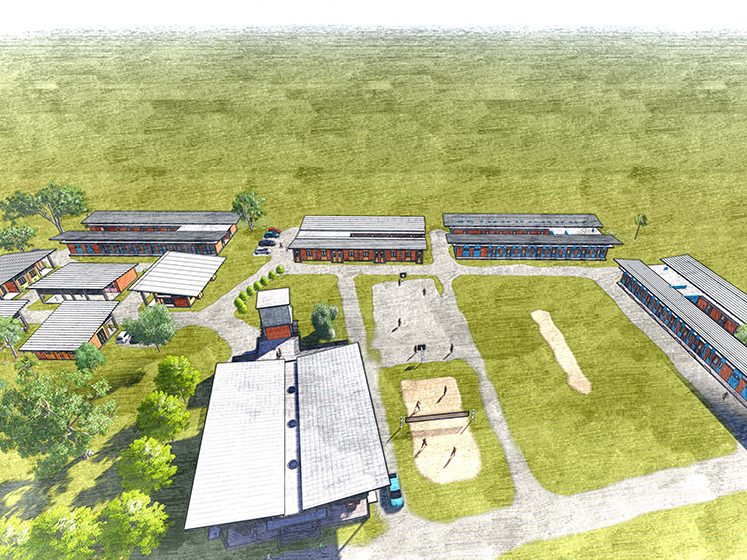
This is why the establishment of the Sri Lanka-German Training Institute (SLGTI) will usher in a new era for students all around the country. SLGTI is a landmark project initiated by German Development Cooperation (GIZ) in partnership with the Government of Sri Lanka, and announced at a press conference by Hon Mahinda Samarasinghe, Minister of Skills Development and Vocational Training and HE Dr. Juergen Morhard, Ambassador of the Federal Republic of Germany to Sri Lanka and the Maldives. The SLGTI, situated in Kilinochchi, is scheduled to be officially opened on 18 July by HE President Maithripala Sirisena.
SLGTI is part of the Vocational Training in the North and East of Sri Lanka (VTN) project implemented by Deutsche Gesellschaft für Internationale Zusammenarbeit (GIZ) GmbH and the Kreditanstalt für Wiederaufbau (German Development Bank- KfW) on behalf of the German Federal Ministry for Economic Cooperation and Development (BMZ). The project is co-funded by the State Secretary for Migration of the Government of Switzerland. The VTN project was initiated in 2012 with the goal of improving demand oriented vocational training in the North and East of Sri Lanka.
“These sectors have been identified for the opportunities available within them for well trained, skilled labour,” said Hon. Mahinda Samarasinghe, Minister of Skills Development and Vocational Training. “We are confident that SLGTI will provide the best opportunity for war affected youth in the Northern and Eastern regions of Sri Lanka as well as youth from other parts of the island to develop and enhance valuable industry-specific knowledge and market oriented skills. This will significantly improve their chances in a competitive job market.”
The training for an annual intake of 200 students will be provided at NVQ Levels 4 to 6 in keeping with the National Vocational Qualification (NVQ) framework. To prepare students for this, 14 vocational training centres offering NVQ Levels 1-3 training have been identified as satellite centres in the Northern and Eastern provinces. These satellite centres have been upgraded to meet the standards set by SLGTI.
Sri Lanka and Germany share a rich history of cooperation in skills development spanning over five decades. Beginning with the establishment of the Ceylon German Technical Training Institute (CGTTI), the Apprentice Training Institute (ATI), the Sri Lanka German Railway Training Institute (SLGRTTI) and the Farm Mechanisation Training Centre (FMTC), to introducing the dual system and standardising training programmes, Germany continues to play a prominent role in Sri Lanka’s vocational training sector. Currently, Germany is one of the most important donor and technical partner for vocational training in the country.
From the West to the North, beginning from the German Tech that started up over 50 years ago and one that changed the lives of many students across the country, SLGTI also has in its inception the ability to be the same.


